Skip to content
By Dr. Diksha Pednekar, Aesthetic DNA, Panjim, Goa | Medically reviewed
The machine matters, but not in the way most advertising suggests. What truly decides your result is the type of laser technology used, whether it suits your skin tone, and whether the person operating it knows how to adjust settings for you. A fancy brand name on a poster tells you very little about any of that.
I am Dr. Diksha Pednekar, and at Aesthetic DNA in Panjim, Goa, I get asked almost every week which “laser machine” is best. It’s a fair question, since clinics do advertise machine names heavily. Let me explain, in plain language, what these machines actually do and what you should really be asking about.
Looking for a Laser Hair Removal Machines visit here.
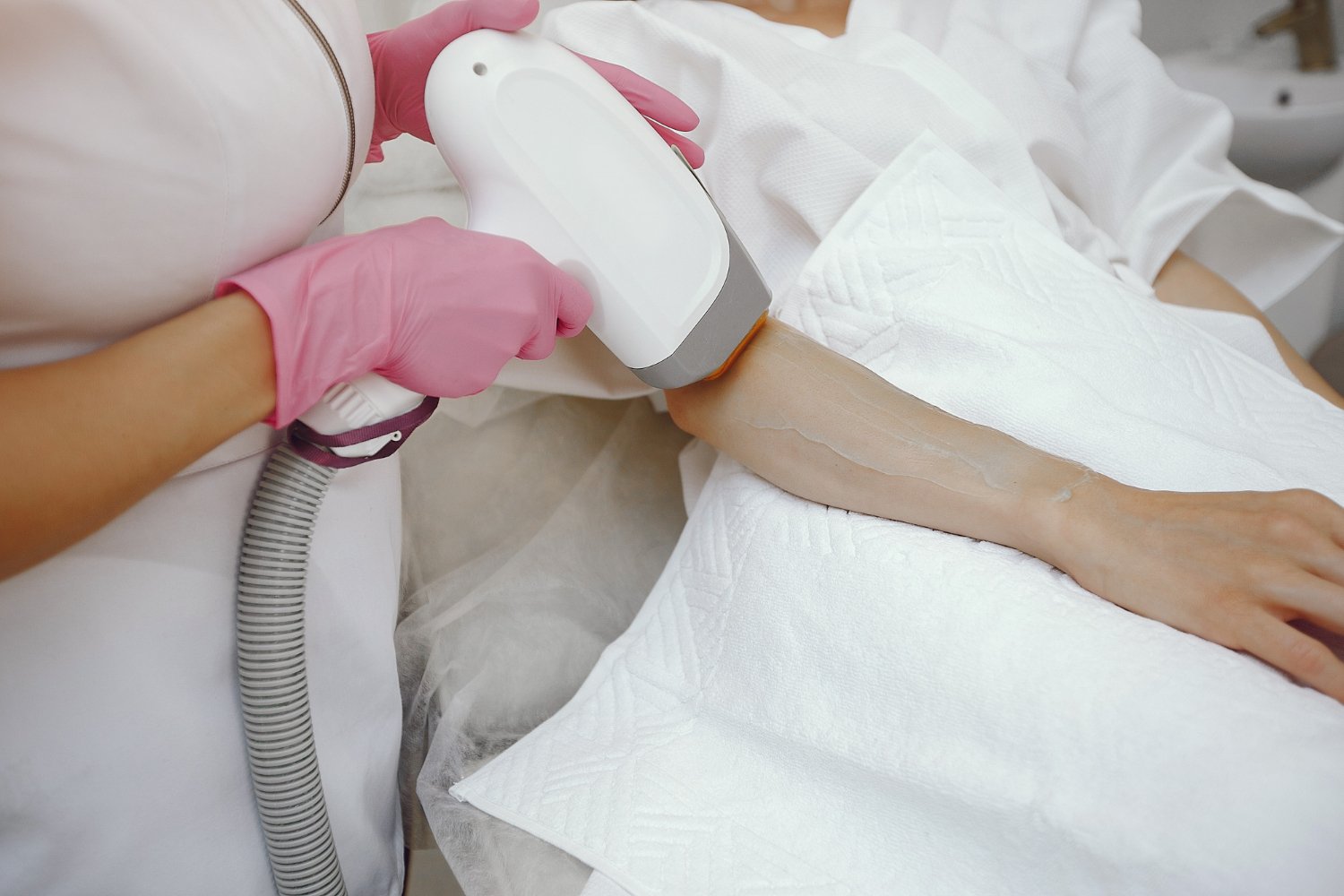
How a laser hair removal machine actually works
Every laser hair removal device, regardless of brand, works on the same basic principle. The laser produces a beam of light tuned to a specific wavelength. This light is absorbed by the melanin, the dark pigment, inside the hair. That absorbed energy turns into heat, which damages the hair follicle so the hair grows back finer, slower, and eventually often stops growing altogether.
What differs between machines is the wavelength of light used, how deep it reaches, how it’s delivered, and how well it protects the skin surface while treating the follicle underneath. That is the real difference worth understanding, not the marketing name printed on the machine.
The three main types of laser technology
Diode laser
This is the most widely used technology for hair removal today, and for good reason. It works well across a range of skin tones, including medium to deeper Indian skin, when used with the right settings and a trained hand. Many clinics, including ours, rely on diode-based systems because they offer a good balance of safety, comfort and consistent results.
Nd:YAG laser
This technology uses a longer wavelength, which goes deeper and is generally considered the safest option for darker skin tones, since it is less likely to be absorbed by the pigment in the skin itself rather than just the hair. It can require more sessions for the same result in some cases, but the safety margin for deeper skin is a real advantage.
IPL (Intense Pulsed Light)
IPL isn’t technically a laser. It uses a broader spectrum of light rather than a single focused wavelength. It can work for hair reduction, especially on fair to medium skin with dark hair, but it is generally less precise and less predictable than diode or Nd:YAG lasers, particularly for deeper skin tones or finer hair. Many home devices and some salon treatments use IPL, which is one reason results can vary so much between a salon and a proper clinical setting.
Some modern clinic machines combine wavelengths, for instance, using both diode and Nd:YAG technology in one system, to treat a wider range of skin tones and hair types more precisely. This is less about brand prestige and more about having the right tool for your specific skin.
Why the machine name on the poster isn’t the full story
Clinics often market machines by brand name because it sounds impressive. But here is what I’d ask instead, regardless of what the machine is called:
What technology does it use — diode, Nd:YAG, or a combination?
Is it suited to your specific skin tone, not just “Indian skin” as a broad category, since skin tone and sensitivity vary a lot person to person?
Is it FDA approved or CE certified, a basic safety marker worth asking about?
Does the clinic adjust settings per person, or use the same setting for everyone regardless of skin or hair type?
Who is operating it — a trained, supervised professional, or someone with minimal training running it on a fixed setting?
A good machine in untrained hands can still cause burns or uneven results. A reliable machine used thoughtfully, with settings adjusted to you, is what actually gives a safe, effective outcome.
What matters most for Indian and Goan skin tones
India has a huge range of skin tones, and Goa especially sees added sun exposure and tanning through much of the year. This makes technology choice and setting adjustment genuinely important, not just a technical detail.
Deeper or tanned skin generally does better with Nd:YAG or carefully calibrated diode settings, to protect the skin surface while still treating the follicle
A recent tan changes how your skin should be treated that day; a good clinic will check this before adjusting the laser, not ignore it
Finer or lighter hair can respond less predictably to any laser technology, since there is less pigment for the light to target
A patch test before a full session is a reasonable thing to ask for if you’re unsure how your skin will respond
This is exactly why a proper consultation and skin assessment matters more than the machine’s brand name.
At Aesthetic DNA, I assess your skin tone, tan level and hair type before deciding on technology and settings for you specifically.
IF You want Laser Hair Removal Machines visit here.
Common mistakes people make when choosing a clinic by “machine name”
Assuming a more expensive-sounding machine name guarantees a better result, when the operator’s skill matters just as much
Not asking whether the technology suits their own skin tone, rather than a generic “laser hair removal” claim
Choosing based on price alone, without checking whether settings are personalised
Ignoring certification and hygiene standards in favour of flashy equipment branding
Not getting a patch test when trying a new technology or a tanned area for the first time
So, which machine is “best”?
Honestly, there isn’t one single best machine for everyone. The best choice is the technology, and the clinical judgment behind it, that fits your specific skin tone, hair type and treatment area. That’s a conversation to have at a proper consultation, not a decision to make from an advertisement.
Frequently asked questions
Is diode or Nd:YAG laser better for Indian skin?
Both can work well. Diode suits a wide range of skin tones with the right settings, while Nd:YAG is often preferred for deeper or tanned skin because its longer wavelength is gentler on the skin’s surface pigment. The right choice depends on your individual skin tone and hair type.
Is IPL the same as laser hair removal?
No. IPL uses broad-spectrum light rather than a single focused laser wavelength. It can reduce hair in some cases but is generally less precise and less predictable, especially for darker skin tones or fine hair.
Does a more expensive machine always give better results?
Not necessarily. The technology suited to your skin, correct settings, and the operator’s training matter more than the price or brand name of the machine.
How do I know if a clinic’s machine is safe for my skin?
Ask whether it’s FDA approved or CE certified, whether settings are personalised to your skin tone, and whether a patch test is offered, especially if your skin is tanned or sensitive.
Can the same machine treat all skin tones equally well?
Not equally. Most machines can be adjusted for different skin tones, but very light or very deep skin and tanned skin need specific settings, which is why a proper assessment before treatment matters.
Final words
Instead of asking “which machine is best,” a more useful question is “is this technology right for my skin, and is it being used correctly?” That combination, the right technology, personalised settings, and a trained hand, is what actually determines your results, far more than any name printed on the equipment.
If you’re considering laser hair removal and want an honest assessment of what suits your skin, book a consultation with Dr. Diksha Pednekar at Aesthetic DNA, Panjim, Goa.
Disclaimer: This article is for general education and is not a substitute for personal medical advice. Results vary from person to person. Please consult a qualified doctor before starting treatment.