Skip to content

By Dr. Amey Pednekar, Aesthetic DNA, Panjim, Goa
Two questions come up at Aesthetic DNA more than almost any others right now. The first is, “Doctor, I’ve heard about the PRP facial, will it actually make my skin glow?” The second is, “My hair is thinning, is PRP for hair fall in Goa worth trying?” Both are fair questions, and both deserve a clear answer rather than a sales pitch.
PRP stands for platelet-rich plasma. It’s a treatment that uses your own blood to support healing and skin or scalp repair. It can be useful for certain people, but it isn’t a miracle, and it doesn’t suit everyone. In this guide, I’ll explain how it works, what it can and can’t do for your skin and hair, and what to expect if you’re considering PRP treatment in Goa.
What PRP Actually Is
A small sample of your blood is taken, just like a routine blood test. It’s placed in a centrifuge, which spins it so the platelets separate from the rest of the blood. Platelets contain growth factors, which are natural proteins that signal the body to repair tissue and encourage new cell activity.
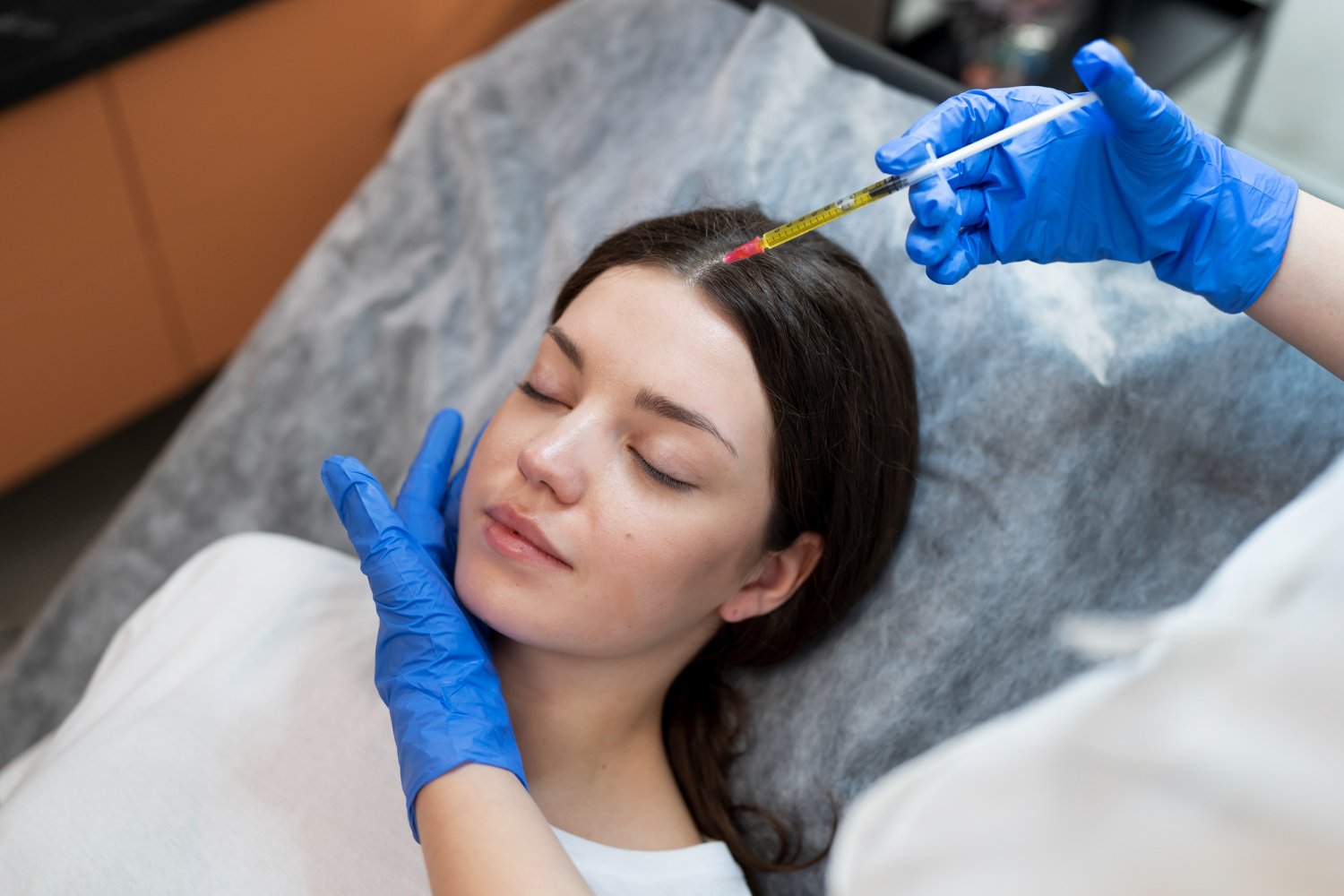
The concentrated platelet plasma is then injected into the treated area or applied to the skin, depending on the treatment. Because it comes from your own blood, the risk of allergic reaction is low, though not zero, and we discuss this during your consultation.
PRP Facial: What It Is and What It Can Do
A PRP facial usually combines PRP with a microneedling step. Tiny needles create controlled micro-injuries in the skin, and the platelet plasma is then applied so it can work on the treated layers. The aim is to support collagen production, improve texture, and help the skin look fresher and more even.
Many patients notice a softer, brighter look over a few weeks. Fine lines around the eyes and mouth can look less visible, and skin that has felt dull or uneven often looks healthier. Results build gradually, because collagen takes time to form. Most people see the best improvement across a short course rather than from a single session.
A PRP facial is not a replacement for treating deeper concerns like significant scarring, deep wrinkles, or heavy pigmentation. For those, we may recommend other options, and we’ll be honest about where PRP fits in.
PRP for Hair Fall in Goa
PRP for hair fall is used mainly for thinning hair, particularly in androgenetic hair loss, which is the common pattern-type thinning seen in both men and women. The platelet plasma is injected into the scalp, where it may help stimulate existing hair follicles and support hair growth.
I want to be clear about the evidence. Studies on PRP for hair loss show that many patients see some improvement, especially in hair thickness and density. But results vary a lot from person to person, and it isn’t a guaranteed fix for advanced baldness. It works best in people who still have active follicles, in the early or moderate stages of thinning.
PRP is usually most useful as part of a broader plan. That can include addressing hormonal and nutritional causes, using approved hair growth medication where appropriate, and keeping a realistic view of what it can achieve. If your hair loss is sudden, patchy, or accompanied by scalp symptoms, it’s important to get it checked before starting any treatment.
Who Is a Good Candidate
PRP may suit people who want a natural looking skin glow, mild to moderate fine lines, or early to moderate hair thinning. It is generally a low-downtime treatment, so it fits well into busy schedules.
It may not be right for everyone. People with active skin infections, certain blood disorders, some medications that affect platelets, or who are pregnant should not have PRP without a clinical assessment. Anyone with a history of keloid scarring or unusual healing should discuss this with the doctor first.
What a Session Feels Like
The process begins with the blood sample, which takes only a few minutes. The treatment itself usually takes around thirty to sixty minutes, depending on the area. We numb the skin where needed, and patients often describe the sensation as a mild pinch or pressure, with some discomfort during the needling step for facial treatments.
Afterwards, you may notice redness, mild swelling, or a tight feeling on the scalp or face for a day or two. Most people return to normal routines the same day, but we advise avoiding makeup, heavy exercise, and direct heat for a short period.
How Many Sessions Are Needed
For a PRP facial, a course is often three to four sessions spaced about four weeks apart, followed by maintenance sessions every few months. For hair fall, the usual approach is a series of sessions over several months, with maintenance as needed. Your exact plan depends on your skin, hair, and goals, and we’ll set this out clearly at your consultation.
Aftercare Tips
Keep the area clean, avoid scrubbing or harsh products for the first few days, and use sunscreen consistently, since the skin is more sensitive afterwards. Stay hydrated, avoid smoking where possible, and follow the specific instructions we give you for scalp or facial care. If you notice unusual pain, heat, pus, or swelling that worsens, contact the clinic straight away.
Possible Side Effects and Risks
Most side effects are mild and short lived, such as redness, swelling, bruising, or tenderness. Rare risks include infection, bruising that lasts longer, and changes in skin colour. Because PRP uses your own blood, allergic reactions are uncommon, but any treatment that involves needles carries some risk, and we discuss this openly before starting.
PRP Versus Other Options
For skin glow, PRP can be compared with chemical peels, laser treatments, and hydrafacials. Each works differently. Peels and lasers target specific skin concerns more directly, while PRP works through the body’s own repair response and suits people looking for a gentle, natural improvement.
For hair fall, PRP can be considered alongside medication and nutritional correction. Hair transplant surgery is a separate option for permanent hair loss in stable areas, and we can explain when each approach makes sense.
Cost of PRP Treatment in Goa
The cost of PRP depends on the treatment type, the area being treated, and the number of sessions needed. We don’t give a fixed price before seeing you, because the right plan depends on your skin or scalp and your goals. During your consultation at Aesthetic DNA, we explain the full course, the expected number of sessions, and what is included, so there are no surprises.
Common Questions About PRP in Goa
Is PRP facial safe?
For most healthy adults, yes. Because it uses your own blood, it is generally well tolerated. A proper assessment is still important to rule out contraindications.
How long do PRP results last?
Results vary. Skin improvements usually last several months with maintenance sessions, and hair results depend on the cause of hair loss and how consistently treatment continues.
Does PRP for hair fall work for everyone?
No. It works best for people with early to moderate thinning and active follicles. It’s not a guaranteed solution for advanced baldness.
Is there downtime after PRP?
Usually very little. Mild redness or swelling may last a day or two, and most people resume normal activities the same day.
Can PRP be combined with other treatments?
Sometimes, yes. For example, PRP is often combined with microneedling for facial rejuvenation. We decide on combinations carefully based on your needs and skin.
My Honest Take
PRP can be a useful, gentle option for skin glow and early hair thinning, but it works best when expectations are realistic and the treatment is chosen for the right reasons. It is not a shortcut, and it does not replace a proper diagnosis when hair loss or skin concerns are significant.
If you’re thinking about PRP treatment in Goa, come in for a consultation at Aesthetic DNA in Panjim. We’ll look at your skin or scalp, explain what PRP can realistically do for you, and help you decide whether it’s the right choice.
Thinking about PRP for your skin or hair? Book a consultation with Dr. Amey Pednekar at Aesthetic DNA, Panjim, Goa, and let’s find out whether it suits you.