Skip to content
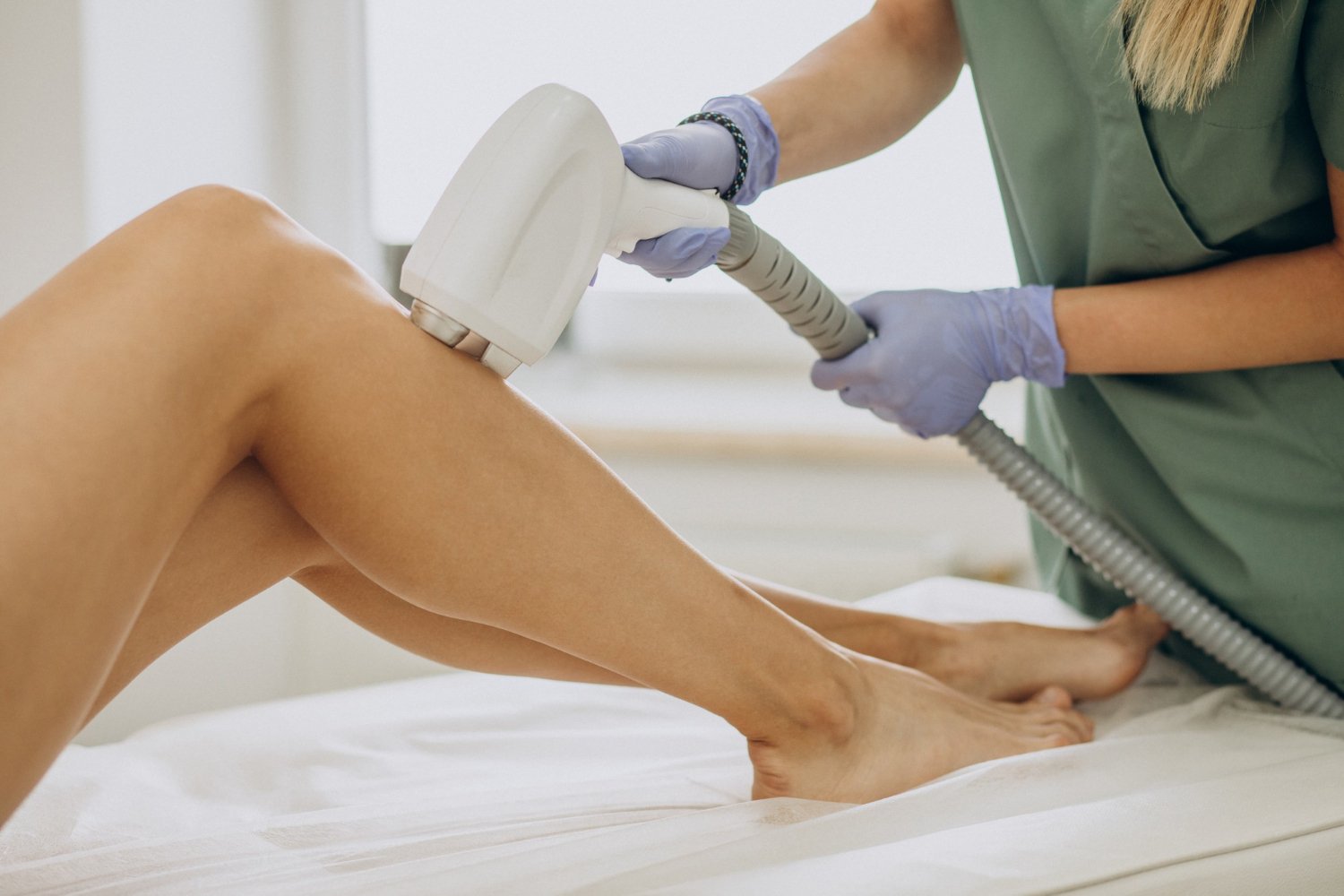
Laser hair removal is a process that removes hair from various parts of the body using a laser or concentrated light beam. The majority of people return to their regular activities the same day after laser hair reduction. Within a few hours to two days, mild redness and a sunburn-like warmth go away. Treated hair starts to shed around day 7–10 and lasts for two to three weeks. Complete results take place over the course of six to eight sessions spaced four to six weeks apart. Sun protection for the treated region is the sole aftercare requirement that cannot be negotiated.
If you’re comparing prices for laser hair reduction and wondering whether a cheaper package means cutting corners, the honest answer is:
It depends entirely on what’s driving the lower price. A well-run clinic can offer genuinely affordable packages through session bundling and off-peak scheduling but a price that’s dramatically lower than everyone else’s is usually a sign of an outdated machine, undertrained staff, or unsafe energy settings, not a discount. Here’s what to actually expect from the procedure and how to evaluate value without gambling on safety.
Looking for a laser hair removal treatment in goa visit here.
What Happens Right After Your Session
The skin in the treated area usually appears and feels like a little sunburn right after treatment, with some redness, a little puffiness around each follicle, and a warm feeling. This is a typical inflammatory reaction that normally goes away after a few hours, but on more delicate parts like the upper lip or underarms, it might last up to 48 hours.
There’s no bandaging, no wound care, and no restriction on bathing. Most patients go straight back to work or their regular routine the same day.
Recovery Timeline: What to Expect Week by Week
Day 1-2: Redness and warmth settle down. Skin may feel slightly tight or sensitive to touch.
Day 3-7: Skin looks and feels normal again. This is a good window to resume your usual skincare routine, minus any active exfoliants.
Day 7-14: Treated hairs begin shedding they may look like they’re “growing” before falling out on their own. This is the laser working, not regrowth. Gentle exfoliation (only once skin has fully calmed) can help this process along.
Week 3-6: Shedding completes. Skin feels noticeably smoother. This is roughly when your next session gets scheduled, since laser hair reduction only affects follicles that are actively growing at the time of treatment spacing sessions this way catches hair in different growth cycles.
Across the full series (6-8 sessions): Each session reduces hair by roughly 10-25%. Most people see 85%+ long-term reduction by the end of a complete course, with regrowth (when it happens) noticeably finer and sparser.
Aftercare: Do’s and Don’ts
Do:
- Apply sunscreen (SPF 30+) on the treated area every day until your next session, even if it’s not typically exposed to the sun
- Keep the area cool for the first 24 hours avoid hot showers, saunas, and heavy sweating
- Moisturize with a gentle, fragrance-free product
- Shave between sessions once skin has calmed down this is fine and often recommended
- Let shedding happen on its own
Don’t:
- Wax, thread, pluck, or use depilatory creams between sessions these disturb the follicle and undo the laser’s work
- Use retinol, AHAs, or harsh exfoliants until skin has fully settled
- Pick or scratch at shedding hair
- Skip sunscreen this is the single biggest cause of post-treatment pigmentation issues, especially on melanin-rich skin
Getting Real Value Without Compromising Safety
Affordable laser hair reduction is a reasonable thing to look for this isn’t a procedure where paying more automatically means a better outcome. But value should come from transparent package pricing, not from shortcuts in the treatment itself. A few things worth checking before you commit to a clinic based on price alone:
- Is the machine appropriate for your skin tone? Older or lower-end devices can be unsafe on darker skin types and more prone to causing pigmentation.
- Is the provider trained to adjust energy settings per individual, or is everyone getting the same generic setting?
- Does the quoted price include the full session count typically needed, or is it a low “per session” number that assumes you’ll need far fewer visits than you actually will?
A transparent, session-based package — where the total cost and expected number of sessions are clear upfront is a better indicator of real affordability than a low headline number.
IF You want laser hair removal treatment in goa visit here.
When to Contact Dermatologist
Most recovery is uneventful, but reach out if you notice the following:
- Blistering or crusting
- Severe pain lasting more than 48 hours
- Skin color changes that persist beyond a week
- Signs of infection, pus, unusual warmth, or spreading redness
These are uncommon with correctly calibrated equipment and proper technique, which is exactly why the provider and machine matter more than the price tag alone.
Frequently Asked Questions
Is there any downtime after laser hair reduction? No. Most people return to normal activities immediately. Mild redness or warmth is normal and settles within a few hours to two days.
How many sessions will I actually need? Most people need 6-8 sessions spaced four to six weeks apart for long-term reduction, since each session only catches hair that’s actively growing at that time.
Why does hair seem to “grow” after a session before falling out? That’s shedding, not regrowth. Treated hairs push out of the follicle over 7-14 days it’s a sign the treatment worked, not a sign it didn’t.
Can I shave between laser hair reduction treatment? Yes, once your skin has calmed down. Avoid waxing, threading, or plucking, since these remove the hair from the root and interfere with the laser’s target.
Is cheaper laser hair reduction less safe? Not inherently, but a price far below the market average is usually funded by an older machine, less-trained staff, or unsafe settings rather than a genuine discount. Ask what’s included before assuming a low number is the best deal.